Introduction
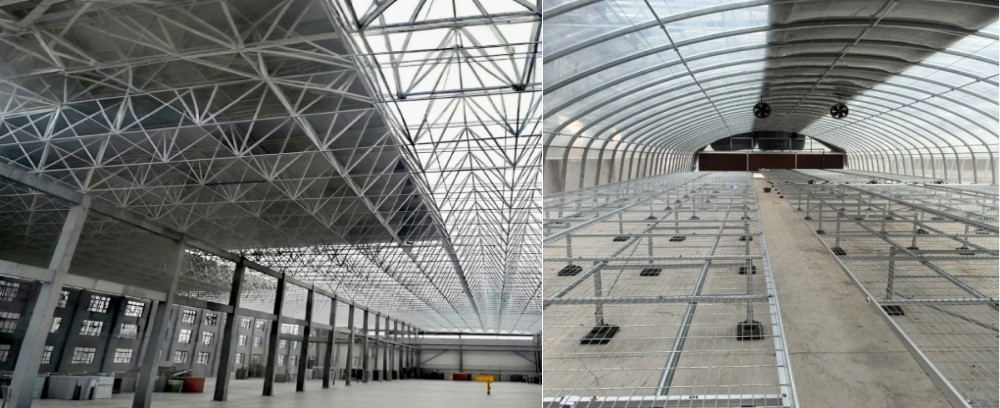
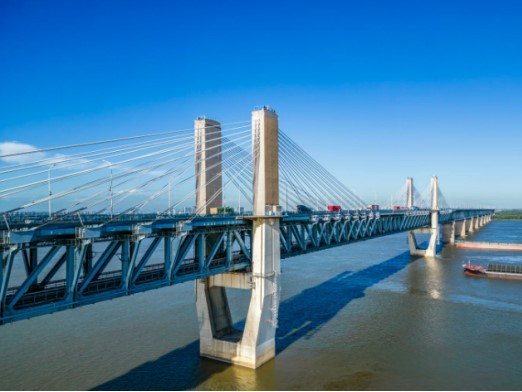
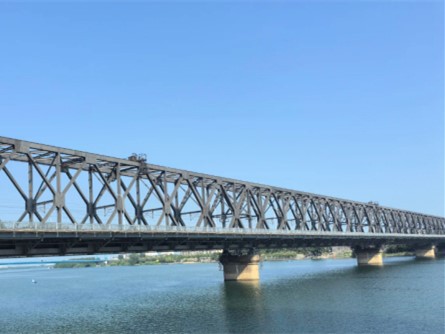
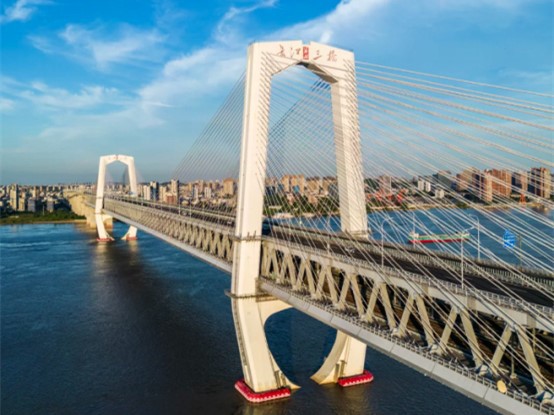
Bridges are critical components of transportation infrastructure, requiring materials that offer exceptional strength, durability, and resistance to environmental stress. Structural steel has become the preferred choice for modern bridge construction due to its ability to support heavy loads, withstand fatigue, and allow for long spans with minimal maintenance.
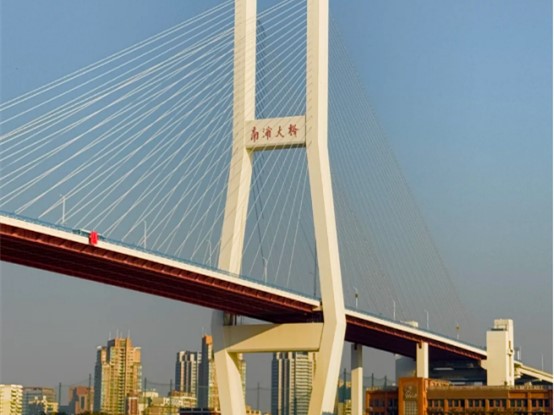
Products Description
High Load-Bearing Capacity
Steel supports heavy vehicular and pedestrian traffic while maintaining structural integrity.
Fatigue Resistance
Superior performance under repeated stress and vibration ensures long service life.
Flexibility in Design
Steel can be fabricated into complex shapes, enabling long-span bridges and innovative architectural forms.
Durability and Corrosion Resistance
With protective coatings, steel bridges resist corrosion, weathering, and environmental degradation.
Typical Application
Highway and railway bridges

Pedestrian overpasses and flyovers

Bridge decks, girders, and trusses
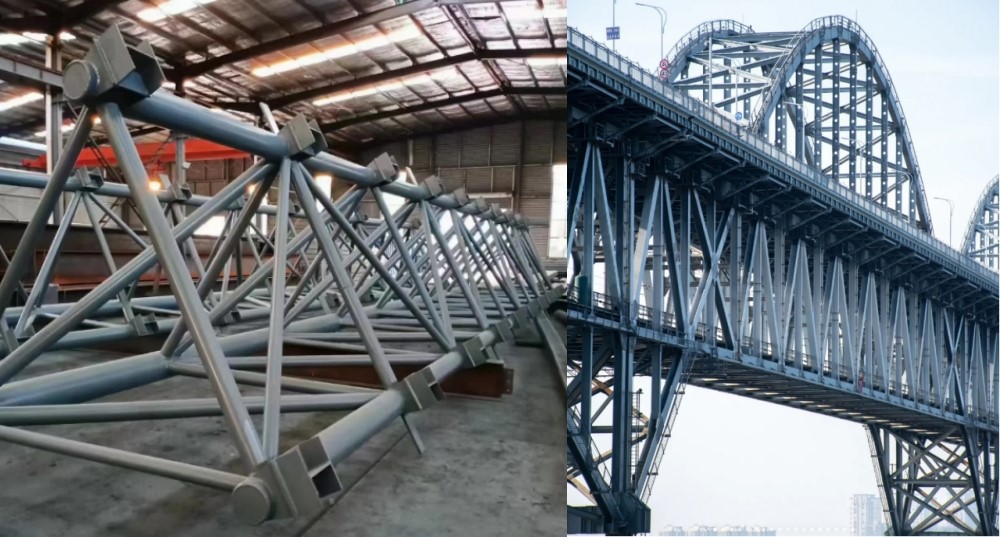

Structural steel forms the backbone of modern buildings, providing a reliable framework that ensures safety and flexibility. Its uniform mechanical properties, ease of fabrication, and adaptability make it ideal for high-rise, commercial, and residential construction.
Advantages & Key Features
Uniform Strength and Reliability
Predictable mechanical performance ensures safety and compliance with building codes.
Fast Construction
Prefabricated steel components reduce on-site assembly time.
Design Versatility
Steel allows for innovative architectural layouts and large open spaces without excessive support columns.
Seismic and Wind Resistance
Excellent flexibility and toughness make steel structures resilient to natural forces.
Typical Applications
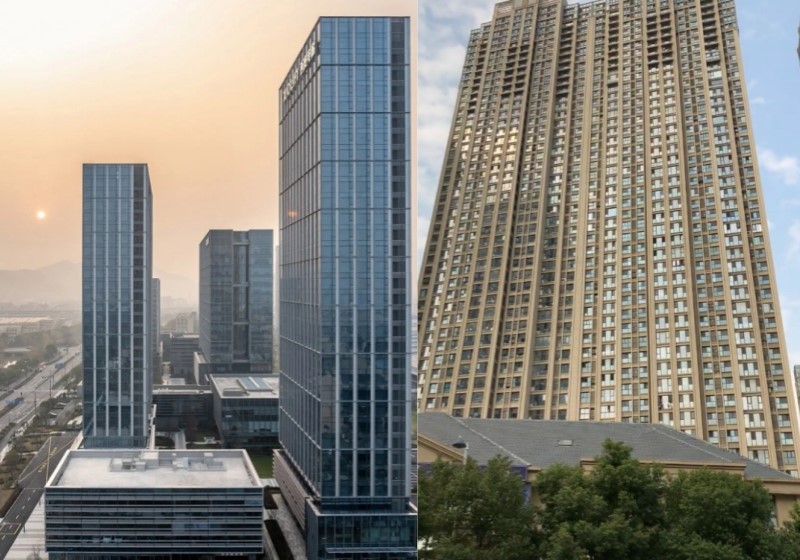
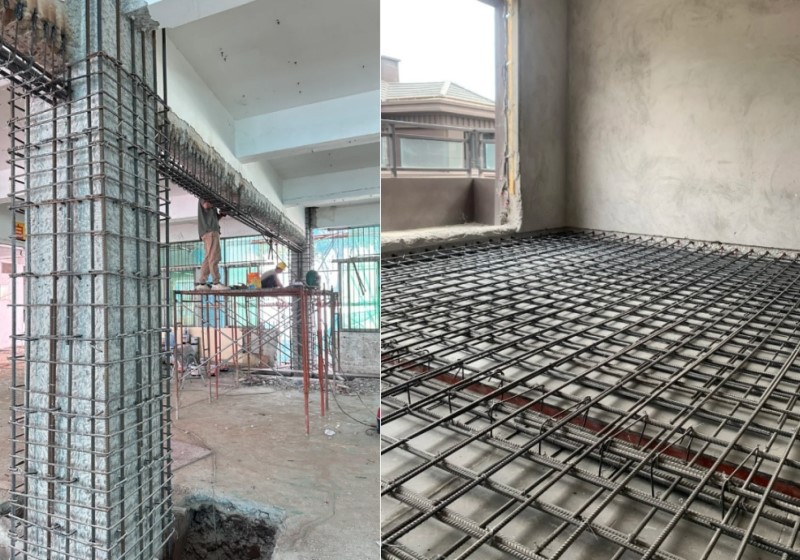

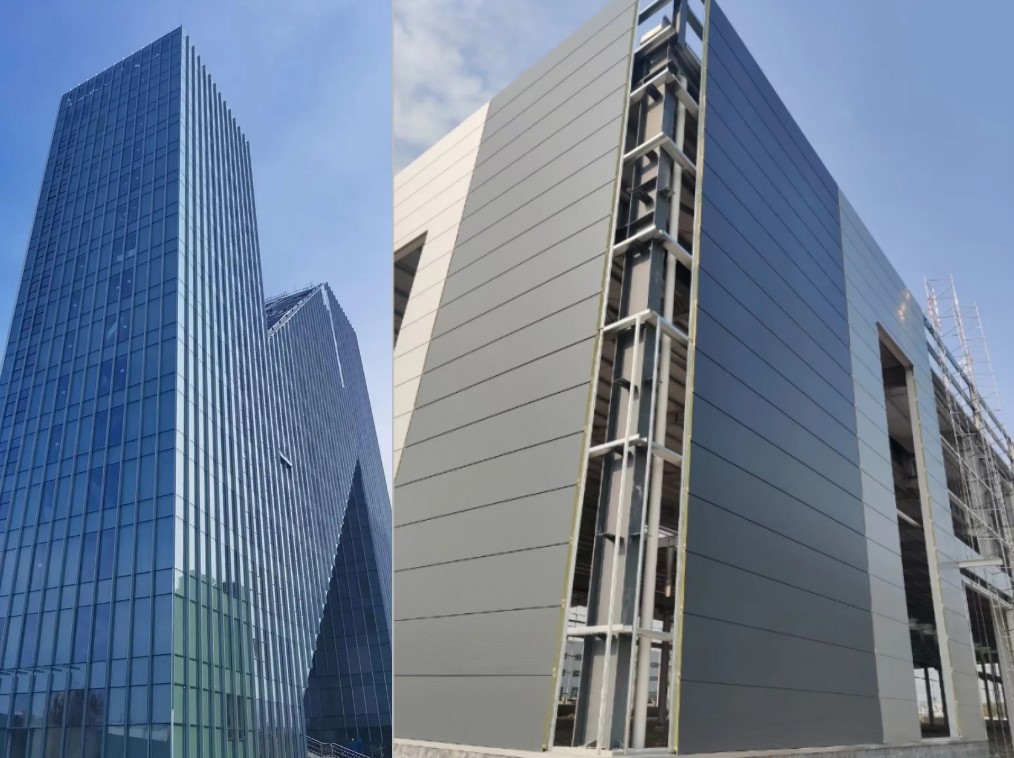
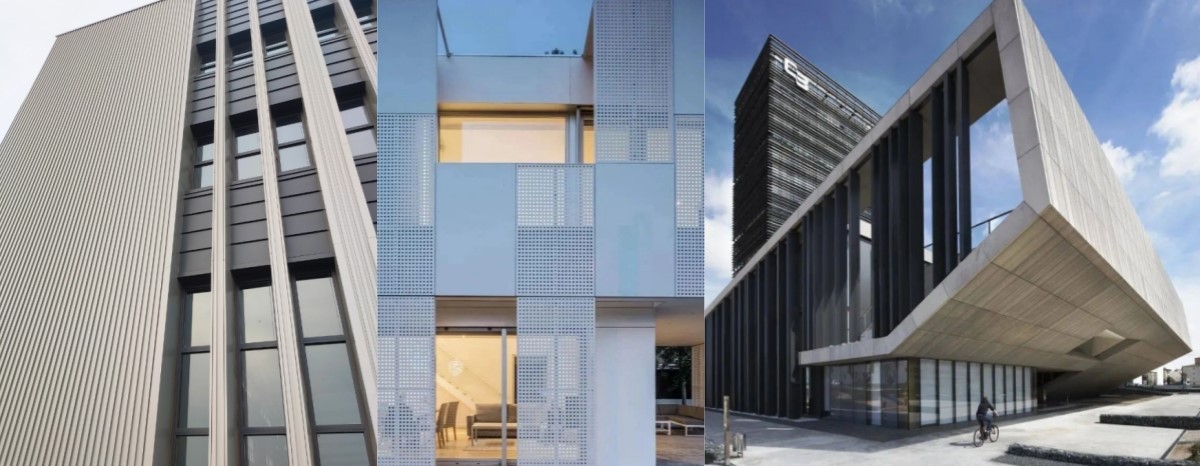
Steel is widely used in facades and exterior cladding systems, combining strength with aesthetic appeal. Modern architectural designs rely on steel for panels, decorative elements, and curtain walls that require durability and minimal maintenance.
Advantages & Key Features
Corrosion Resistance
Proper surface treatments ensure long-term performance in various climates.
Lightweight and Strong
Steel panels provide structural support without excessive weight on building frames.
Aesthetic Flexibility
Can be finished with coatings, paints, or textures for creative architectural designs.
Low Maintenance
Resistant to UV, weathering, and mechanical wear, reducing long-term upkeep costs.
Typical Applications
- Curtain walls and external paneling
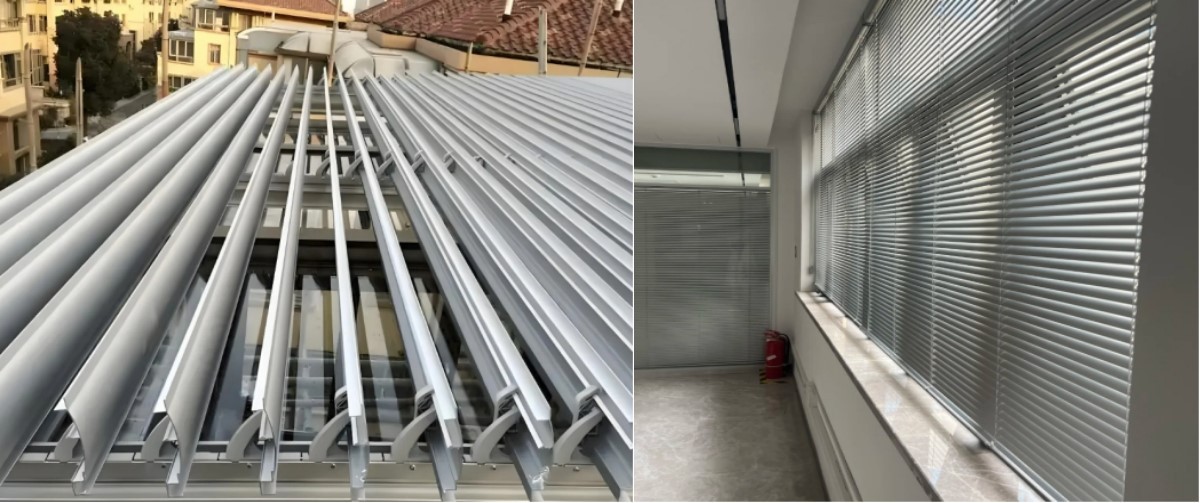
- Sunshades, louvers, and architectural accents
-
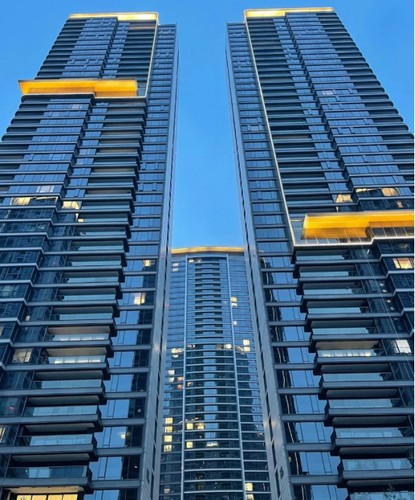
External wall cladding for commercial and residential building
Introduction
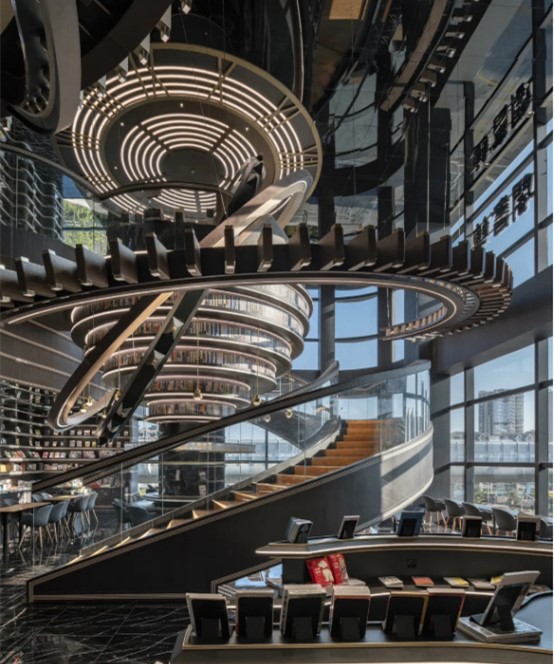
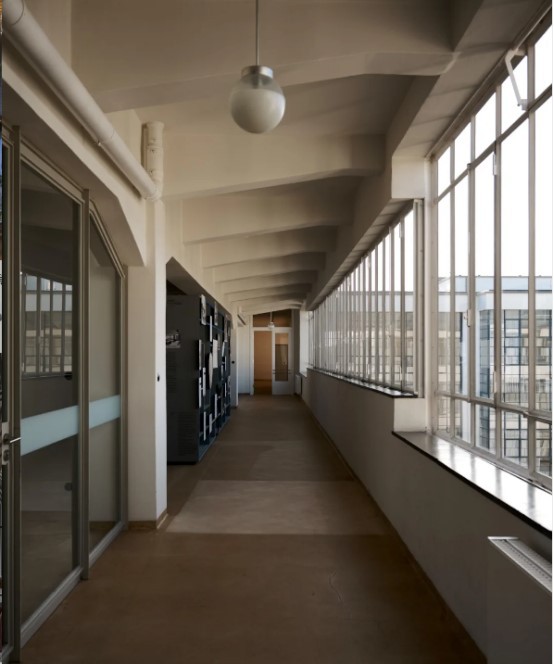
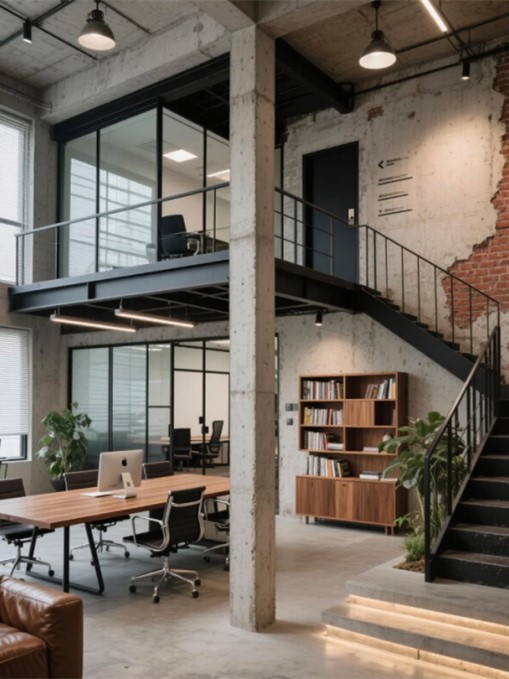
Steel is also used extensively for interior architectural applications where structural performance and visual appeal are both important. Its adaptability allows for modern designs, functional layouts, and long-lasting interiors.
Advantages & Key Features
High Precision and Dimensional Accuracy: Ensures seamless integration in interior frameworks and furniture.
Durability and Longevity: Steel maintains its properties over time under daily use and stress.
Design Flexibility: Easily fabricated into partitions, railings, staircases, and decorative elements.
Surface Finish Options: Can be polished, coated, or painted to match interior aesthetics.
Typical Applications
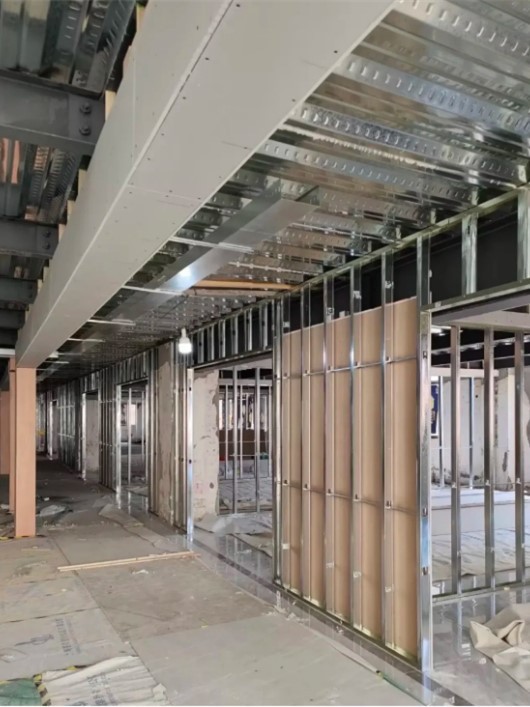


Steel structures are essential for large-scale projects requiring high strength, precision, and durability. Prefabricated and modular steel structures enable rapid construction with excellent reliability.
Advantages & Key Features
High Load-Bearing Strength
Supports heavy loads across large spans with minimal deflection.
Fabrication and Welding Performance
Easily cut, welded, and assembled on-site or off-site.
Flexibility for Modular Construction
Prefabricated sections allow fast installation and efficient logistics.
Long-Term Durability
Resistant to environmental and mechanical wear, ensuring decades of service life.
Typical Applications
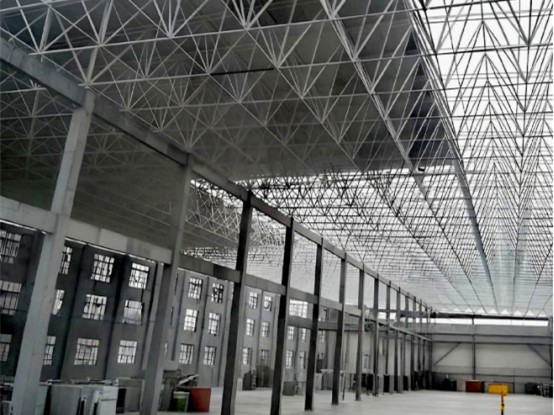
Structural frameworks for industrial facilities
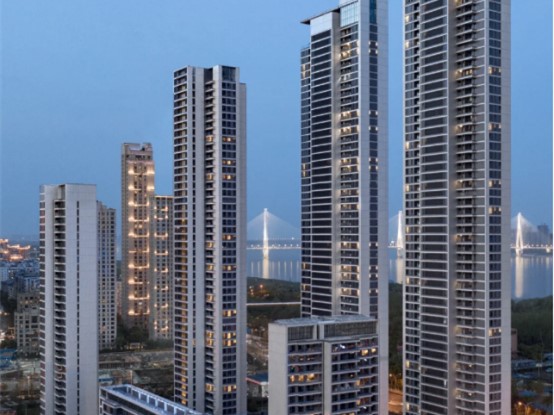
Prefabricated commercial and residential buildings
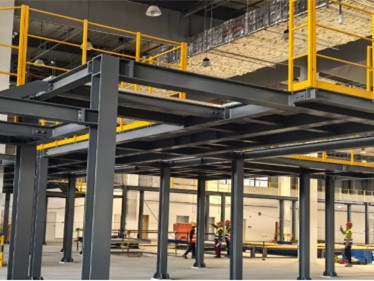
Platforms, walkways, and structural trusses

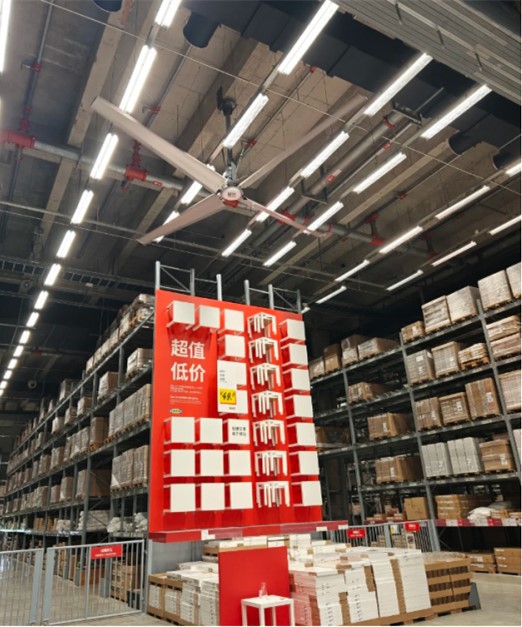
Industrial buildings and plants demand robust materials that can handle heavy machinery, dynamic loads, and aggressive environmental conditions. Steel provides the necessary strength, adaptability, and resilience for manufacturing and processing facilities.
Advantages & Key Features
High Mechanical Strength
Supports heavy equipment, overhead cranes, and industrial processes.
Resistance to Stress and Vibration
Maintains structural integrity under dynamic loads.
Versatility in Design
Can be customized to accommodate layout changes and industrial requirements.
Compliance with Standards
Meets international construction and safety codes.
Typical Applications
Factories, workshops, and warehouses

Processing plants and power generation facilities
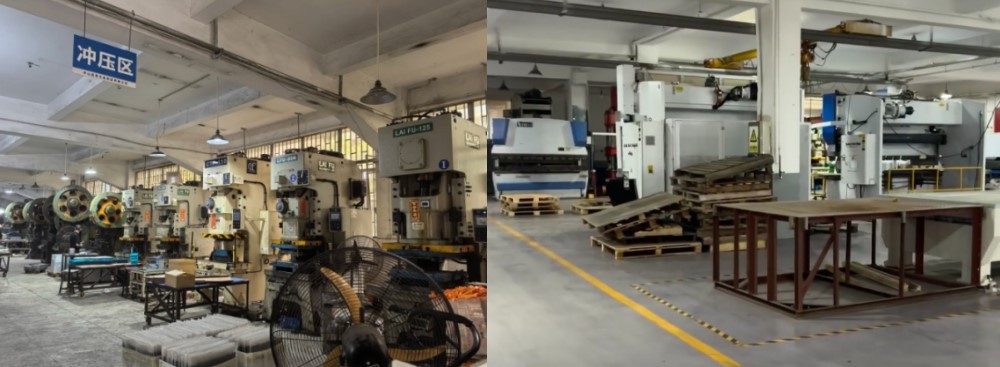
Equipment platforms, support structures, and industrial sheds